
Leshan is a historic riverside city in Sichuan famous for its colossal stone-carved Buddha and rich culinary traditions. The best time to visit is during the mild spring or autumn months to comfortably explore the outdoor cliff-side monuments and bustling night markets.
Top Things to Do in Leshan (Wutongqiao)


Tap an attraction to look it up on TripAdvisor.
Getting Around Leshan (Wutongqiao)
From the Airport
Train. High-speed trains connect Chengdu Shuangliu International Airport or Chengdu Tianfu International Airport to Leshan Railway Station, taking about 1 to 1.5 hours. Rideshare. DiDi is the standard rideshare app used throughout China and is readily available for booking private cars from the airport directly to your hotel in Leshan.
Once You're There
Rideshare. DiDi is the most convenient way to get around Leshan, especially for traveling between the city center and the Giant Buddha scenic area. Walking. The central parts of Leshan are quite walkable, especially along the riverfront and within the historic districts. Bus. A comprehensive local bus network exists, with specific lines dedicated to reaching major tourist attractions like the Giant Buddha.
Where to Stay in Leshan (Wutongqiao)
Hotel picks for Leshan (Wutongqiao) are coming soon. In the meantime, search directly:
Where to Eat in Leshan (Wutongqiao)
 Ye Po Po Sweet Skin Duck★ 4.6 (2,646)2345 Ling Yun Lu, Shi Zhong Qu, Le Shan Shi, Si Chuan Sheng, China, 614099This legendary spot is the go-to destination for the city's iconic sweet skin duck, which features a perfectly crispy, caramelized glaze.
 Ji Yang Fan Dian★ 4.6 (2,646)2345 Ling Yun Lu, Shi Zhong Qu, Le Shan Shi, Si Chuan Sheng, China, 614099This established eatery is highly regarded for its traditional Leshan river fish dishes prepared with fresh local catch.
 Fu Ji Lao Dian★ 4.6 (2,646)2345 Ling Yun Lu, Shi Zhong Qu, Le Shan Shi, Si Chuan Sheng, China, 614099Famous for their handmade wontons, this shop provides a comforting start to the day with a broth that balances heat and savory depth.
 Qin Ji Ni Rou★ 4.6 (2,646)2345 Ling Yun Lu, Shi Zhong Qu, Le Shan Shi, Si Chuan Sheng, China, 614099This restaurant is widely praised for its diverse beef-based menu, specifically the tender stir-fried beef with pickled peppers.
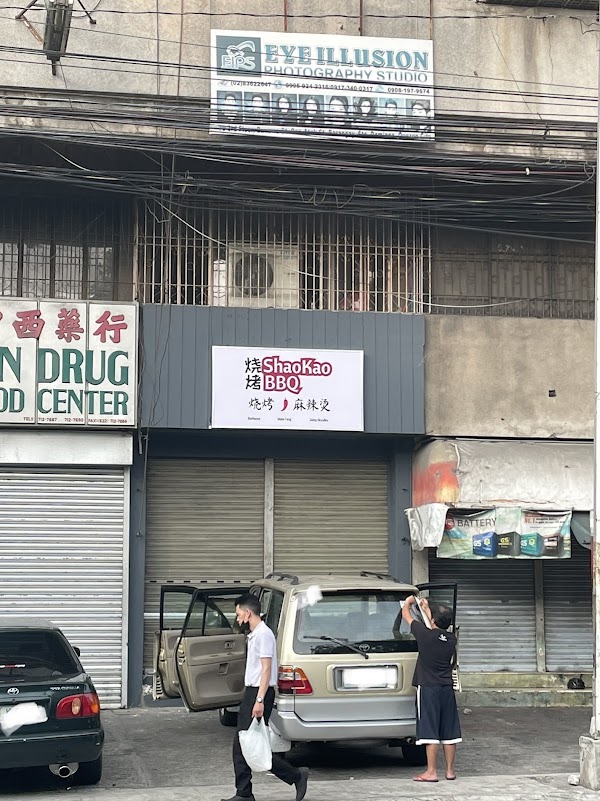 Si Wa Zi Shao Kao★ 4.4 (85)1-D FYCA Bldg. Banawe Street, Corner Atok, Santo Domingo (Matalahib), Quezon City, 1114 Metro Manila, PhilippinesThis is the premier location for late-night Leshan-style barbecue, where skewers are grilled over charcoal with a unique sweet and spicy rub.
3 Days in Leshan (Wutongqiao)
The Iconic Buddha & Riverside Heritage
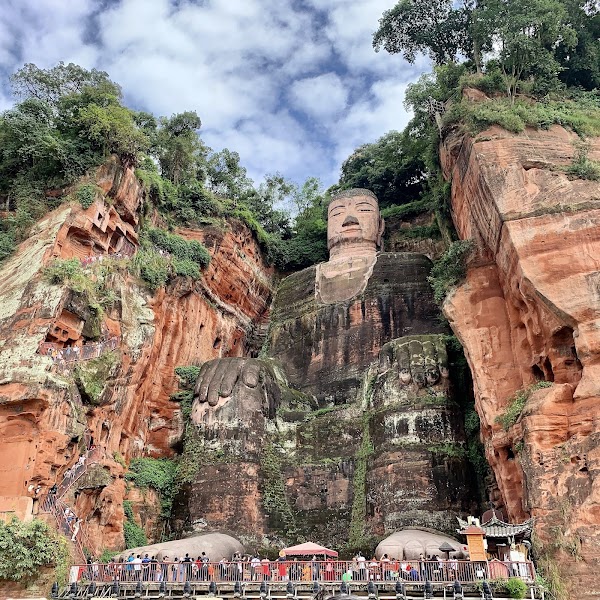
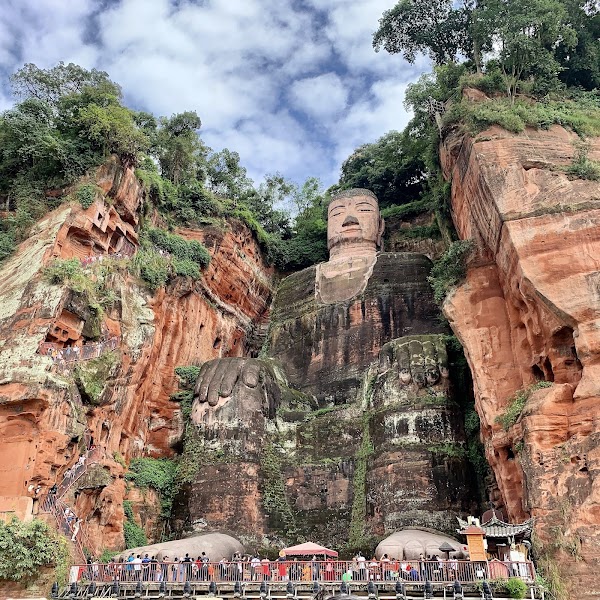
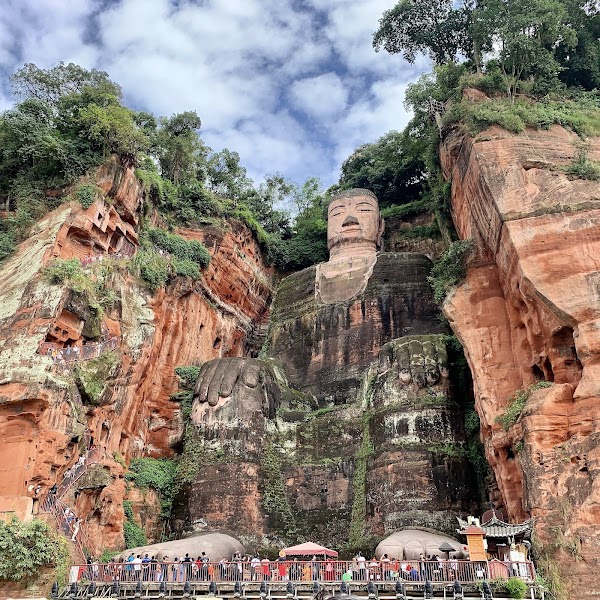
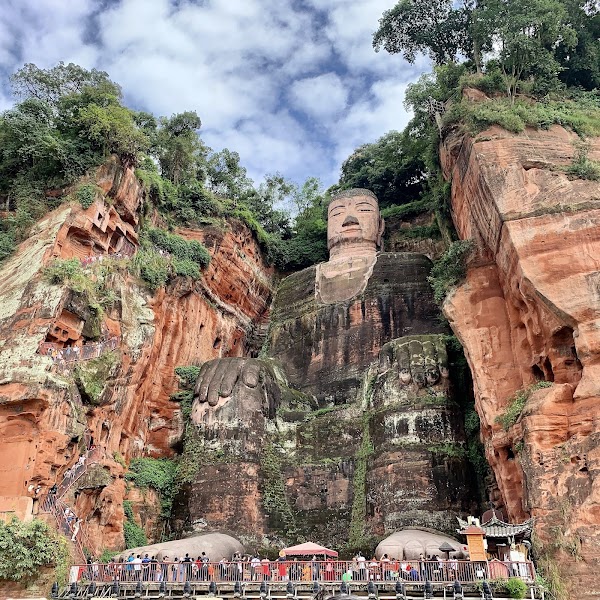
Morning. Begin your journey at the Leshan Giant Buddha, the world's largest stone Buddha statue, by arriving right at 8:00 AM to beat the tour groups. Descend the narrow, winding Nine-Turn Plank Road to stand at the statue's massive feet and grasp the true scale of this Tang Dynasty wonder. After soaking in the view from the base, climb back up to explore the serene grounds of the nearby Lingyun Temple. Spend your remaining morning hours wandering through the lush gardens surrounding the site. Finally, make your way toward the riverfront to catch a ferry for a different perspective of the cliff-side carving.
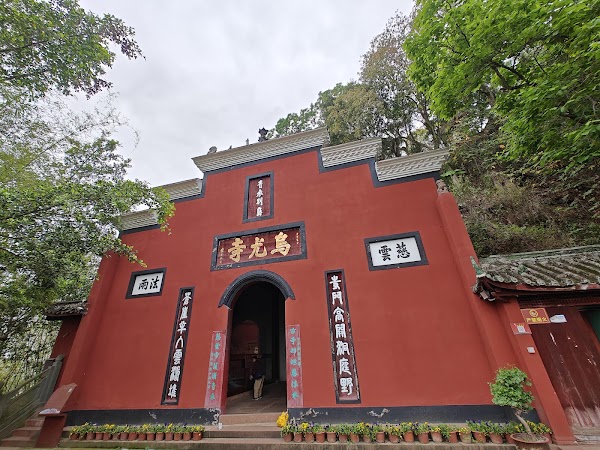
Afternoon. After a hearty lunch, head to the Wuyou Temple located on the adjacent Wuyou Hill, which is connected to the Giant Buddha complex by a scenic bridge. The temple is famous for its collection of 500 Arhat statues and its peaceful, forest-like atmosphere that feels miles away from the city center. Spend time exploring the ancient library and the quiet courtyards that overlook the confluence of the Min, Qingyi, and Dadu rivers. Before leaving the area, walk along the Jiazhou Ancient City Wall to see remnants of the city's historical fortifications. This walk provides excellent vantage points for photography as the sun begins to shift.
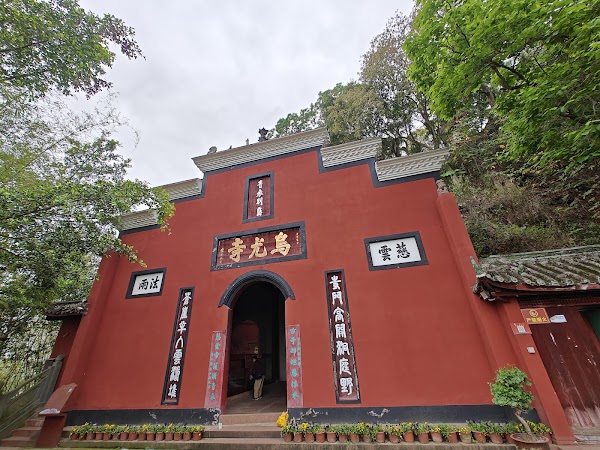
Evening. As the sun sets, head into the heart of the city to explore the Dongpo Building, a historic site dedicated to the famous Song Dynasty poet Su Dongpo. The building offers a glimpse into traditional Chinese architecture and provides a quiet space to reflect on the day's history. Once you have finished your visit, dive into the vibrant night scene at the Zhang Gong Qiao Snack Street. This is the perfect place to sample local delicacies like fried potato balls and spicy skewers while rubbing shoulders with locals. End your night by sitting at a riverside teahouse to watch the city lights reflect on the water.
Wutongqiao District & Local Life
Morning. Start your second day by traveling to the Wutongqiao District, a fascinating area known for its unique river-town character and industrial history. Begin at the local waterfront, where the river life is still very much the center of the community, and watch the small boats navigate the narrow channels. Spend a couple of hours walking through the older residential streets to see traditional Sichuan houses with their characteristic wooden facades. It is a great place to observe the authentic, unvarnished daily routine of Leshan residents. Afterward, visit the local municipal park to enjoy the greenery and join a game of chess with the retirees who gather there daily.
Afternoon. In the afternoon, delve deeper into the cultural history of the region by visiting the local cultural center, which often hosts exhibits on the history of the salt industry that once defined Wutongqiao. After an educational hour, head to the nearby suburban temples that are less frequented by tourists but offer beautiful architecture and quiet meditation spots. Take your time strolling through the quiet lanes, stopping for a cup of local green tea at a street-side stall. The pace here is significantly slower than near the Giant Buddha, allowing for a more immersive experience. You will find that the local hospitality is warm and welcoming to visitors who take the time to explore.
Evening. Conclude your day in Wutongqiao by exploring the evening markets that spring up along the main thoroughfares. These markets are the best place to find fresh produce, local handicrafts, and inexpensive street snacks that you won't find in the tourist-heavy city center. Make sure to try the locally made rice cakes which are often served warm with a sweet dipping sauce. As the evening progresses, find a spot at a local restaurant to enjoy a traditional Sichuan hotpot, which is a staple of the region's culinary identity. The atmosphere in these smaller, family-run establishments is lively, boisterous, and entirely authentic.
Art, Culture, and Mountain Views
Morning. Dedicate your final morning to the Oriental Buddha Park, which houses an incredible collection of thousands of Buddha statues carved into the cliffs and nestled within the park's landscaped grounds. The sheer volume of artistry is staggering, with life-sized and colossal figures creating a surreal, spiritual landscape. Spend at least three hours here, as the park is quite expansive and offers multiple walking paths that lead to hidden grottoes and scenic overlooks. Make sure to bring comfortable walking shoes and plenty of water, as the terrain is hilly and requires a fair bit of trekking. It is a peaceful, albeit visually intense, way to start your day.
Afternoon. In the afternoon, travel slightly outside the city to the Jiajiang Thousand Buddha Cliff, a lesser-known but historically significant site featuring intricate carvings dating back to the Tang and Song dynasties. These cliff carvings are less crowded than those at the main Giant Buddha, allowing you to examine the detail of the craftsmanship in relative solitude. Spend your time wandering the paths that run along the cliff face, taking in the serene forest views that frame the ancient stone works. It’s a photographer's dream, especially in the afternoon light which hits the carvings at an angle that highlights their depth. Afterward, head back toward Leshan city center for a late lunch.
Evening. For your final evening, visit the Leshan Confucius Temple, which is a beautiful example of traditional Chinese educational architecture. The temple grounds are quiet and dignified, providing a perfect contrast to the bustling energy of the street markets you experienced earlier. After your visit, take a final walk through the city center to pick up some souvenirs, such as local tea or traditional paper cuttings. Spend your last dinner in Leshan at a highly-rated restaurant to savor the complex flavors of Sichuan peppercorns and chili oil one last time. Reflect on your trip while enjoying the view of the river, which remains the lifeblood of this historic city.